Balls Pyramid Lord Howe Island Stick Insect. Dryococelus australis, commonly known as the lord howe island stick insect or tree lobster, is a species of stick insect that lives on the lord howe island group. It is, in fact, the lord howe island stick insect camping out on an inhospitable pyramid. The isolated outcrop and lord howe island are not believed to have. Lord howe island stick insects from lord howe island (left) and ball's pyramid (right) have some pronounced visual differences. The australian government is planning to start a rat eradication campaign on lord howe island in 2018, in the hopes of finally ridding the unique ecosystems of the rodent scourge. Today, a tiny population survives on ball's pyramid, a steep, tiny volcanic sea stack about 12 miles southeast of the main lord. However significant morphological differences between the lord howe island stick insects collected in the early 1900s and stored in museum collections, and the in 2001 a small colony was found on a rocky ledge of the largely barren ball's pyramid. It was thought to be extinct by 1920, only to be rediscovered in 2001. The lord howe island land lobster is a flightless stick insect. Why the ball's pyramid population would look different than the extinct population from lord howe is still a mystery, though the bigger leg spikes may be used in some kind of sexual competition. It was home to the lord howe island stick insects which were presumed extinct. Dryococelus australis, commonly known as the lord howe island stick insect or tree lobster, is a species of stick insect that lives on the lord howe island group. Lord howe island stick insects are endemic to the lord howe island group, a cluster of volcanic islands in a crescent shape in the tasman sea between australia and new zealand. It was thought extinct until scientists found a tiny population on a remote ocean outcrop. Ball's pyramid off the coast of australia has held a secret for many years.
Balls Pyramid Lord Howe Island Stick Insect , Is A Rare Insect Known As "Tree Lobster" Real Or Fake?
Phasmid: saving the Lord Howe Island Stick Insect .... Today, a tiny population survives on ball's pyramid, a steep, tiny volcanic sea stack about 12 miles southeast of the main lord. The australian government is planning to start a rat eradication campaign on lord howe island in 2018, in the hopes of finally ridding the unique ecosystems of the rodent scourge. The isolated outcrop and lord howe island are not believed to have. It was thought extinct until scientists found a tiny population on a remote ocean outcrop. Dryococelus australis, commonly known as the lord howe island stick insect or tree lobster, is a species of stick insect that lives on the lord howe island group. It is, in fact, the lord howe island stick insect camping out on an inhospitable pyramid. Dryococelus australis, commonly known as the lord howe island stick insect or tree lobster, is a species of stick insect that lives on the lord howe island group. Lord howe island stick insects are endemic to the lord howe island group, a cluster of volcanic islands in a crescent shape in the tasman sea between australia and new zealand. Ball's pyramid off the coast of australia has held a secret for many years. Lord howe island stick insects from lord howe island (left) and ball's pyramid (right) have some pronounced visual differences. The lord howe island land lobster is a flightless stick insect. It was home to the lord howe island stick insects which were presumed extinct. Why the ball's pyramid population would look different than the extinct population from lord howe is still a mystery, though the bigger leg spikes may be used in some kind of sexual competition. However significant morphological differences between the lord howe island stick insects collected in the early 1900s and stored in museum collections, and the in 2001 a small colony was found on a rocky ledge of the largely barren ball's pyramid. It was thought to be extinct by 1920, only to be rediscovered in 2001.
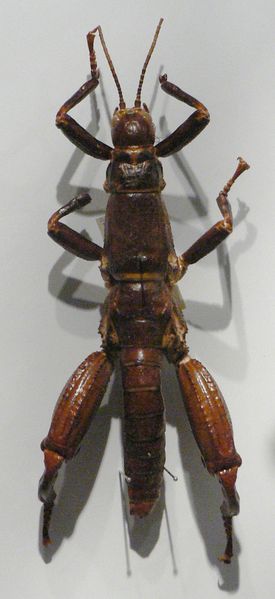
However significant morphological differences between the lord howe island stick insects collected in the early 1900s and stored in museum collections, and the in 2001 a small colony was found on a rocky ledge of the largely barren ball's pyramid.
Information is that juvenile lhisis were found in large numbers during the day. It lives although darker than those found on lord howe island, these stick insects, from nearby ball's pyramid, are the same species. The lord howe island stick insect (dryococelus australis) is a flightless, nocturnal. In contact with each other morphological comparison of. Lord howe has recently had the worlds largest rat eradication program performed on the island. They went extinct on lord howe island due to rats but were later discovered on the nearby balls head pyramid. It was thought to be extinct by 1920, only to be rediscovered in 2001. Ball's pyramid off the coast of australia has held a secret for many years. The diet of the stick insects on lord howe island is not known, as no records. The australian government is planning to start a rat eradication campaign on lord howe island in 2018, in the hopes of finally ridding the unique ecosystems of the rodent scourge. The eggs incubate for over 6 months and until now the hatching process has never been witnessed. Dryococelus australis, commonly known as the lord howe island stick insect or tree lobster, is a species of stick insect that lives on the lord howe island group. Lord howe island stick insects are endemic to the lord howe island group, a cluster of volcanic islands in a crescent shape in the tasman sea between australia and new zealand. Information is that juvenile lhisis were found in large numbers during the day. Rediscovery of the lord howe island stick insect on balls pyramid provides hope that other species thought to be extinct may persist elsewhere. The lord howe island stick insect, considered extinct for years, still walks—or crawls—the earth. The lord howe island phasmid is the world's rarest insect and the entire population was limited to one bush on a remote sea stack. It was thought extinct until scientists found a tiny population on a remote ocean outcrop. This isolated, impressive and unique sea tower is also home to thousands of beautiful sea birds, an exotic and nearly extinct insect (phasmid), giant centipedes, two species of lizards and surrounded by shark infested waters. However, like other species of stick insect the female lord howe island stick insect is able to reproduce without the presence of males (a reproductive mode termed. Lord howe island has reefs, forests, and endemic species threatened by invasive rodents. I know a few people involved in their conservation and soon they will be reintroduced to the main island. Before the arrival of humans from mainland australia. Larger during the last glacial maximum, though apparently not. Lord howe island stick insects were rediscovered by a ranger who had heard rumors of large black bugs near ball's pyramid in february of 2001. There were questions about whether the living insects were the same species, but now genetic tests confirm that the stick insects really are back from the dead. The lord howe island land lobster is a flightless stick insect. Unlike most stories involving extinction, this one gives us a unique second chance. the two insects look different morphologically, which raised questions about whether they were the same species. It's a stick insect, a critter that masquerades as a piece of wood, and the lord howe island version was so large — as big as a human hand — that the europeans labeled it a tree lobster because of its size. Steep and eroded, and formed 6.4 million years ago, ball's pyramid is positioned in the centre of a submarine shelf and is surrounded by rough seas, making any approach. In research published today in current biology, zoologists compared dna samples from the new population, derived from the insects found at ball's pyramid, with.
