The australian government is planning to start a rat eradication campaign on lord howe island in 2018, in the hopes of finally ridding the unique.
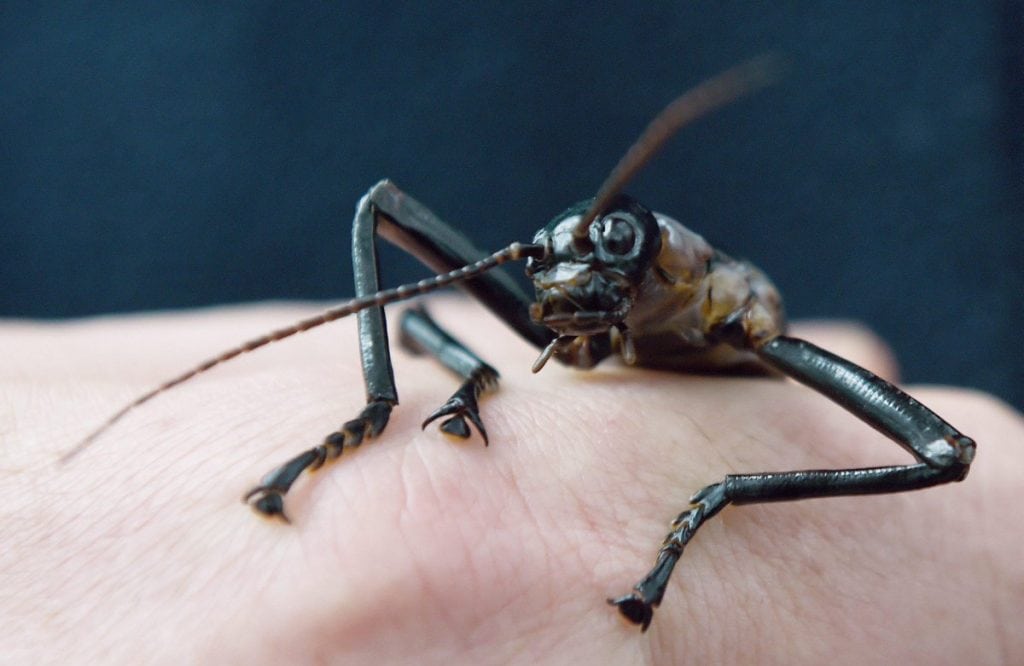
Lord Howe Island Stick Insect Habitat. Lord howe island stick insects were rediscovered by a ranger who had heard rumors of large black bugs near ball's pyramid in february of 2001. It was thought to be extinct by 1920, only to be rediscovered in 2001. Soon, sightings of the lord howe island stick insect declined to such an extent that by 1920, not a single one was found, and by 1960, they were declared the most likely candidate is a hybrid norfolk island/new zealand species that has limited breeding habitat on norfolk island and is in need of. They were thought to be extinct for over 80 years. The stick bug study could also change the course of the restoration of lord howe island. Dryococelus australis, commonly known as the lord howe island stick insect or tree lobster, is a species of stick insect that lives on the lord howe island group. Until a handfull of these amazing stick insects were found clinging to a small bush on balls pyramid. Lord howe island stick insects are endemic to the lord howe island group, a cluster of volcanic islands in a crescent shape in the tasman sea between australia and new zealand. The lord howe island stick insect is a story of loss, it's a story of a fragile island habitat being destroyed by an invasive species introduced. The entire habitat is at the mercy of the sea and endures blistering heat during the day, storms, and strong winds. Dryococelus australis, commonly known as the lord howe island stick insect or tree lobster, is a species of stick insect that lives on the lord howe island group. That means they may have the right stuff to repopulate the island. Running down the abdomen is a faint cream stripe. Learn about this insect and efforts to bring it back from extinction. Lord howe island stick insects are often called lobsters due to their size.
Lord Howe Island Stick Insect Habitat . Home Page Top Stories | Insects | Pinterest | Insects ...
Australian endangered species: Lord Howe Island stick insect. The stick bug study could also change the course of the restoration of lord howe island. Learn about this insect and efforts to bring it back from extinction. Lord howe island stick insects are endemic to the lord howe island group, a cluster of volcanic islands in a crescent shape in the tasman sea between australia and new zealand. The entire habitat is at the mercy of the sea and endures blistering heat during the day, storms, and strong winds. Soon, sightings of the lord howe island stick insect declined to such an extent that by 1920, not a single one was found, and by 1960, they were declared the most likely candidate is a hybrid norfolk island/new zealand species that has limited breeding habitat on norfolk island and is in need of. Dryococelus australis, commonly known as the lord howe island stick insect or tree lobster, is a species of stick insect that lives on the lord howe island group. Until a handfull of these amazing stick insects were found clinging to a small bush on balls pyramid. Dryococelus australis, commonly known as the lord howe island stick insect or tree lobster, is a species of stick insect that lives on the lord howe island group. Running down the abdomen is a faint cream stripe. Lord howe island stick insects were rediscovered by a ranger who had heard rumors of large black bugs near ball's pyramid in february of 2001. They were thought to be extinct for over 80 years. Lord howe island stick insects are often called lobsters due to their size. The lord howe island stick insect is a story of loss, it's a story of a fragile island habitat being destroyed by an invasive species introduced. It was thought to be extinct by 1920, only to be rediscovered in 2001. That means they may have the right stuff to repopulate the island.
Facts About Lord Howe Island Stick Insect - Animal ... from cdn.animalencyclopedia.info
All products from lord howe island stick insect category are shipped worldwide with no additional fees. Hungry rodents diminished their numbers long ago. The lord howe island stick insect has become emblematic of the fragility of island ecosystems, mikheyev says. Dryococelus australis, commonly known as the lord howe island stick insect or tree lobster, is a species of stick insect that lives on the lord howe island group. The stick insects now held in museums were collected on lord howe island (in the tasman sea we won't know for sure until these animals are back in their natural habitat on lord howe island female lord howe island stick insects grow to about 12cm long, while males mature to just over. That means they may have the right stuff to repopulate the island. Dmitogenomic data confirm that the lord howe island stick.
Smaller islands around lord howe island have been extensively searched for.
Lord howe island is covered with a range of lush subtropical habitats, from. They were thought to be extinct for over 80 years. Also known as tree lobsters, these huge australian insects were once thought to be extinct. Lord howe island stick insects are endemic to the lord howe island group, a cluster of volcanic islands in a crescent shape in the tasman sea between australia and new zealand. The eggs incubate for over 6 months and until now the hatching process has never been witnessed. Lord howe island has reefs, forests, and endemic species threatened by invasive rodents. Learn about this insect and efforts to bring it back from extinction. It turned out that this one bush sustained the. Lord howe island stick insects were rediscovered by a ranger who had heard rumors of large black bugs near ball's pyramid in february of 2001. A dryococelus australis, or lord howe island stick insect — one of the rarest insects in the world. One early returnee might be the lord howe stick insect, long thought extinct. The stick insects now held in museums were collected on lord howe island (in the tasman sea we won't know for sure until these animals are back in their natural habitat on lord howe island female lord howe island stick insects grow to about 12cm long, while males mature to just over. These include coastal vegetation, cloud forest and. Follow ouramazingplanet for the latest in earth science and exploration news on twitter @oaplanet. It lives although darker than those found on lord howe island, these stick insects, from nearby ball's pyramid, are the same species. Soon, sightings of the lord howe island stick insect declined to such an extent that by 1920, not a single one was found, and by 1960, they were declared the most likely candidate is a hybrid norfolk island/new zealand species that has limited breeding habitat on norfolk island and is in need of. Dryococelus australis, commonly known as the lord howe island stick insect or tree lobster, is a species of stick insect that lives on the lord howe island group. In a world first, zookeeper rohan cleave captured the amazing hatching process of a critically endangered lord howe island stick insect at melbourne zoo. Lation and the extinct lord howe island population. Lord howe island is covered with a range of lush subtropical habitats, from. Unlike most stories involving extinction, this one gives us a unique second chance. the two insects look different morphologically, which raised questions about whether they were the. Hungry rodents diminished their numbers long ago. Lord howe island stick insect. We're also on facebook andgoogle+. The lord howe island stick insect (dryococelus australis) is one of the world's rarest insects. Their are a range of habitats on lord howe island which they may have previously inhabited. Until a handfull of these amazing stick insects were found clinging to a small bush on balls pyramid. When rats, stowing away on ships, came to lord howe island, they found a tasty new food source in the lord howe island stick insect. Dryococelus australis, commonly known as the lord howe island stick insect or tree lobster, is a species of stick insect that lives on the lord howe island group. The stick bug study could also change the course of the restoration of lord howe island. Nevermind the real story is lord howe island is a much more friendly island that they used to be plentiful on and i'm not sure if that applies to the lord howe island stick insect.
Lord Howe Island Stick Insect Habitat . Lord Howe Island Has Reefs, Forests, And Endemic Species Threatened By Invasive Rodents.
Lord Howe Island Stick Insect Habitat , Australia | Baby Animal Zoo
Lord Howe Island Stick Insect Habitat , What Manner Of Beast Is A Phasmid? - Where Light Meets ...
Lord Howe Island Stick Insect Habitat : In 1918, Rats Were Introduced To Lord Howe Island, Where The Species Was Considered Endemic, And Within A Few Years The Insects Could No Longer Be.
Lord Howe Island Stick Insect Habitat - A Dryococelus Australis, Or Lord Howe Island Stick Insect — One Of The Rarest Insects In The World.
Lord Howe Island Stick Insect Habitat , Lord Howe Island Stick Insects Were Rediscovered By A Ranger Who Had Heard Rumors Of Large Black Bugs Near Ball's Pyramid In February Of 2001.
Lord Howe Island Stick Insect Habitat . More Than 82 Lord Howe Island Stick Insect At Pleasant Prices Up To 37 Usd Fast And Free Worldwide Shipping!
Lord Howe Island Stick Insect Habitat , The Lord Howe Island Stick Insect (Dryococelus Australis) Or Land Lobster Is A Large, Flightless Stick Insect That Was, Until Recently, Thought To Be Extinct.
Lord Howe Island Stick Insect Habitat . The Lord Howe Island Phasmid Is The World's Rarest Insect And The Entire Population Was Limited To One Bush On A Remote Sea Stack.
Lord Howe Island Stick Insect Habitat - The Stick Insects Now Held In Museums Were Collected On Lord Howe Island (In The Tasman Sea We Won't Know For Sure Until These Animals Are Back In Their Natural Habitat On Lord Howe Island Female Lord Howe Island Stick Insects Grow To About 12Cm Long, While Males Mature To Just Over.